Hokkaido 北海道
The northernmost island. ¥100 houses, foreign-investment zones, and three hundred and fifty centimetres of annual snowfall.
Hokkaido is the largest, coldest, and least-Japanese-feeling of Japan's prefectures — which is precisely why it has the country's most active akiya bank programs, its most successful foreign-investment zone (Niseko), and its lowest house prices outside the bombed-out reaches of Tohoku. If you want the snow and the space, this is where you come.
Why people buy in Hokkaido
Three reasons, mostly. The first is snow — Hokkaido gets the deepest, driest powder in Asia, and the foreign skiers know it. Niseko, Furano, and Rusutsu have been buying-and-flipping ground for Australian, Singaporean, and Hong Kong money since the early 2000s; entire valleys have been re-pixelated in chalet style.
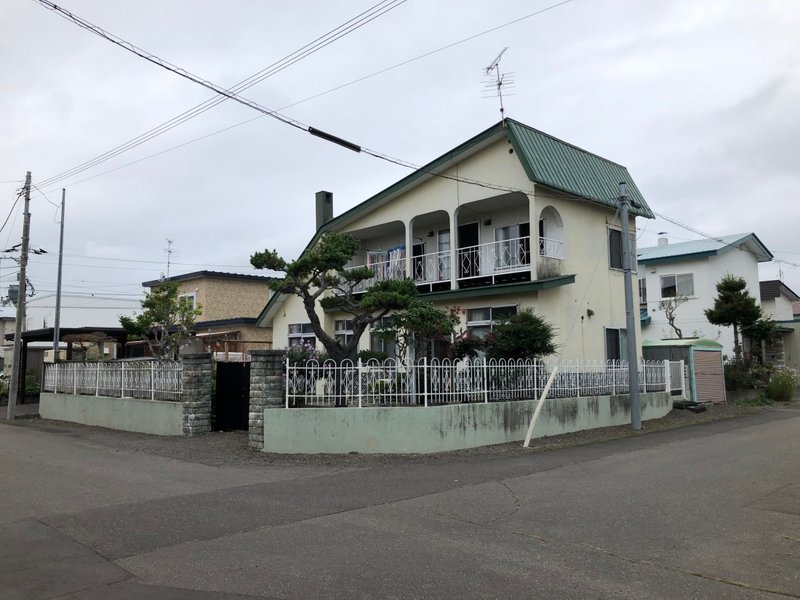
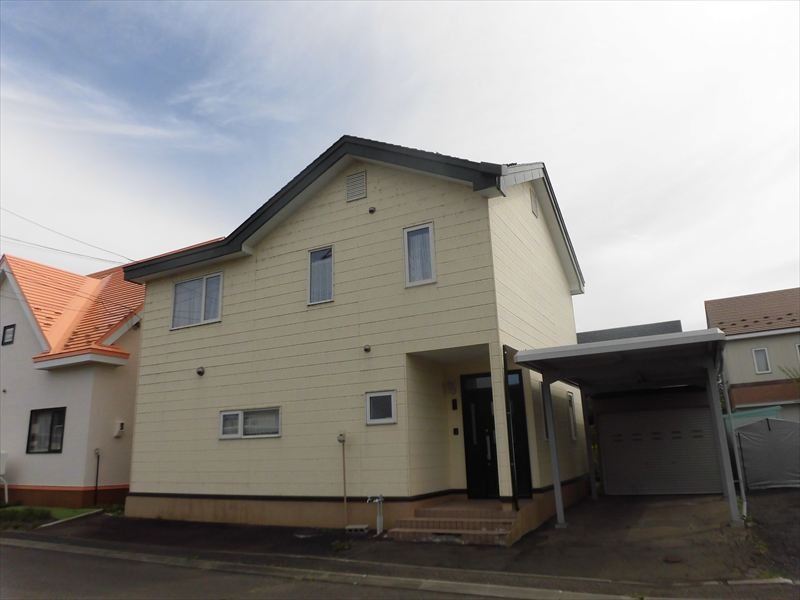
The second is depopulation. Outside the Niseko-Furano corridor, Hokkaido is bleeding people fast — the prefecture's population has fallen by 600,000 since 2000, and rural municipalities are actively giving houses away to anyone willing to register as a resident. The cheapest listing in the index, as we write, sits at ¥100 in Otofuke-cho, half an hour east of Obihiro. Conditions apply, but the math is real.
The third is space. A 500-tsubo plot — about 1,650 square metres — that would be unthinkable on Honshu is normal here. If your dream is a workshop, a kitchen garden, and a guest cabin in the back, Hokkaido is where the numbers actually work.
What's different about buying here
Two things foreign buyers notice immediately. The municipal akiya programs are unusually permissive: many require only that you register as a juminhyo resident within twelve months and live in the property as a primary or secondary residence for three to five years. The covenants are real but not crushing. We have a tracker of which municipalities currently accept foreign applications — it changes quarterly, so write to us before you fly.
The harder part is winter. Hokkaido winters are not Honshu winters; they're closer to Vermont or northern Hokkaidō (where the only thing that doesn't freeze is the conversation). Heating costs run ¥30,000-¥60,000 per month from December through March, and many older akiya use kerosene stoves that need professional servicing each autumn. Budget for it.
The houses are cheap because nobody is competing for them — not because they don't work. Foreigners forget this.
Five towns worth a first look
- Niseko-cho — the foreign-investment heartland. Outside the central Hirafu zoning lines, akiya are still reachable; inside, prices are Western.
- Furano-shi — a quieter Niseko, with a working farming economy. Akiya bank is active.
- Otofuke-cho — east of Obihiro, the source of the ¥100 listings. Cold but flat and farmable.
- Hakodate-shi — the southern port. Older machiya-style houses, much milder winters, foreign-friendly municipal office.
- Sapporo (Minami / Nishi wards) — the city's outer ring has akiya at urban access. Not cheap, but liveable year-round.
Climate & access
Closing note
Properties indexed across Hokkaido. Niseko-area listings are higher priced; the deeper inland and northeastern entries are where the math gets interesting.